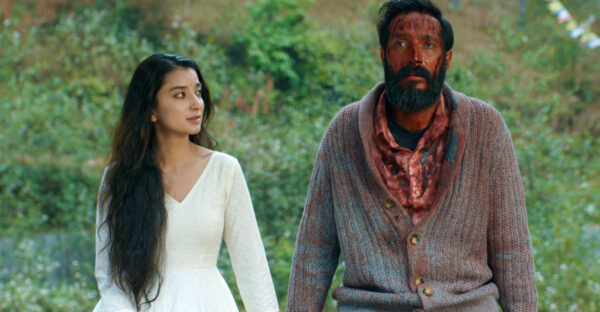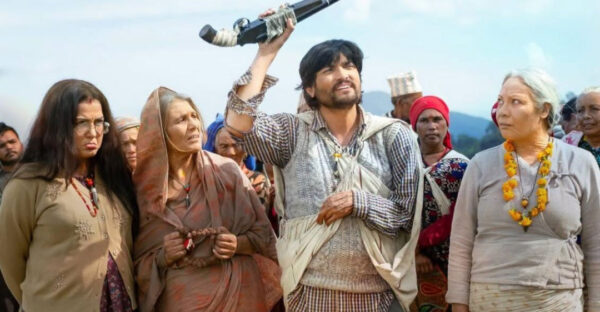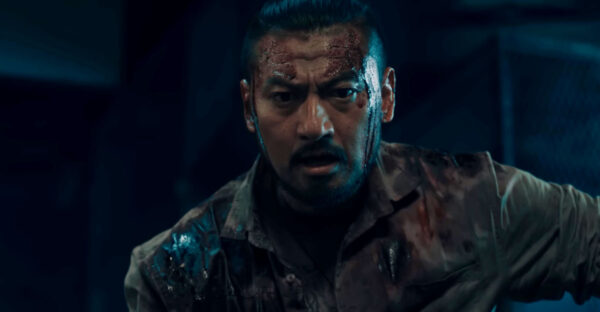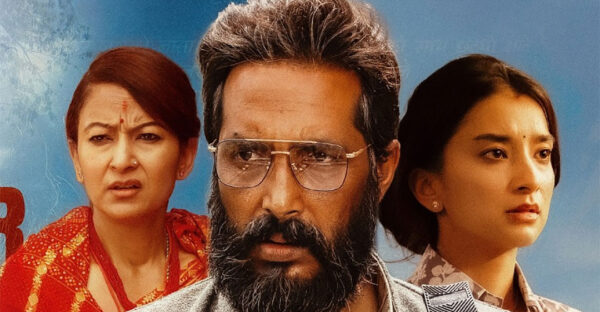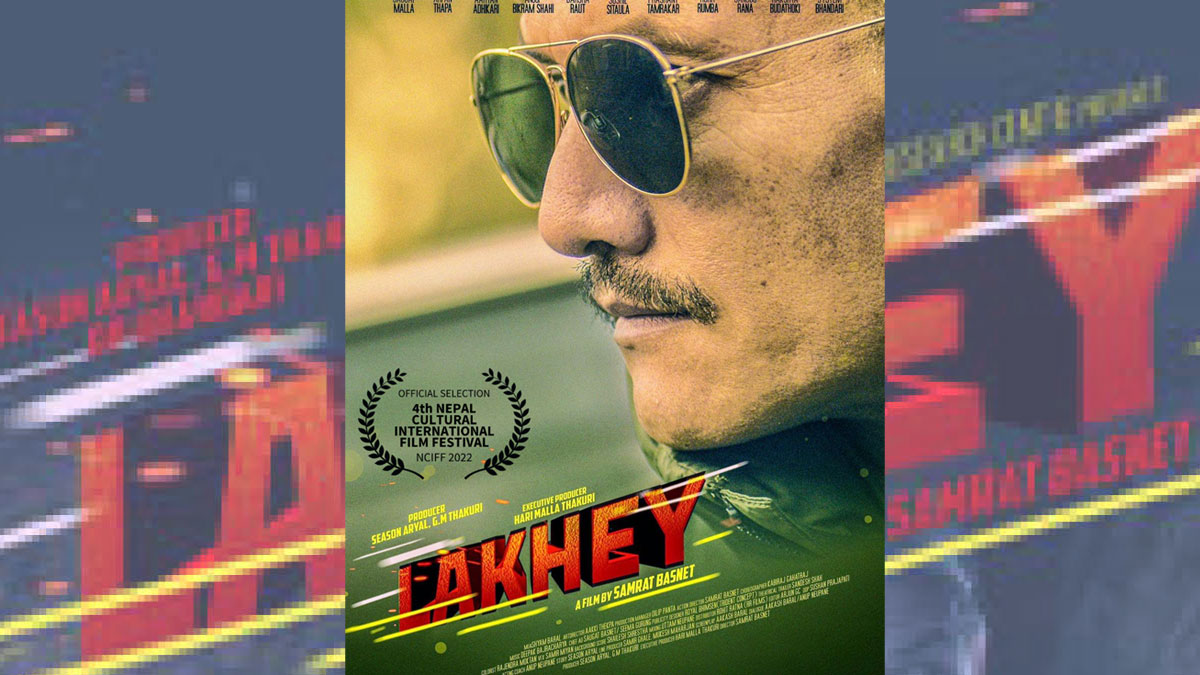
Director Samrat Basnet’s Nepali action–crime thriller Lakhey, featuring Saugat Malla, Arpan Thapa, Anoop Bikram Shahi, Aaryan Adhikari and Barsha Raut, is now available as a full movie on YouTube. Originally released in cinemas on November 4, 2022, the film mixes a modern story of bank fraud, betrayal and revenge with the powerful cultural image of the Lakhey.
A Multi-Starrer Nepali Action Thriller
Lakhey was promoted as a large-scale ensemble project with several familiar faces from Nepali cinema. Alongside Saugat Malla, the film features Arpan Thapa, Anoop Bikram Shahi, Aaryan Adhikari, Barsha Raut, Sushil Sitaula and Prashant Tamrakar.
Rohit Rumba, Sanjog Rana, Rakshya Budhathoki and child actor System Bhandari are also listed among the cast. The combination of actors known for intense dramatic and action roles gave the film a distinctly masculine, confrontation-driven identity during its promotional campaign.
What Is ‘Lakhey’ About?
At the centre of the story is Sameer Maharjan, a bank manager born into a family that holds the Lakhey in deep religious and cultural regard.
For Sameer, the Lakhey is not simply a terrifying creature from folklore. He views it as a protector of the community and connects it with Lord Indra. That belief becomes increasingly important when his normal life is shattered by a bank-fraud case.
After becoming entangled in the financial crime, Sameer experiences professional disgrace and personal ruin. Convinced that powerful people have manipulated and betrayed him, he sets out to punish those responsible.
His pursuit of justice gradually becomes more dangerous. What begins as an attempt to expose wrongdoing turns into a cycle of anger, violence and revenge. The film consequently raises an important question: when a victim begins using fear and force, does he remain a protector, or does he become another threat?
The Meaning of the Lakhey Symbol
The title gives the movie its most distinctive identity. In Newar cultural tradition, the Lakhey is a striking masked figure often associated with festivals, dance, protection and the supernatural. The film places that familiar traditional image inside an urban crime thriller involving banks, criminal schemes, guns and personal vengeance.
This contrast allows the Lakhey to function on several levels. It represents cultural memory, concealed identity, fear and the protagonist’s psychological transformation. The mask also suggests that people are not always what they appear to be—an idea that fits naturally into a story built around fraud and betrayal.
The film should not, however, be treated as a documentary explanation of Lakhey tradition. It uses the cultural figure primarily as a dramatic and symbolic device within a fictional action story.
Samrat Basnet’s Direction
Samrat Basnet directed the film and was closely associated with its action-driven presentation. The screenplay and dialogue are credited to Aakash Baral, while Sushan Prajapati handled cinematography. Deepak Bajracharya is credited as music director, and Arjun GC as editor.
The promotional material emphasised guns, masks, confrontations and an ensemble of morally complicated characters. This visual approach positioned Lakhey as a darker alternative to conventional romantic or family-oriented Nepali films.
Basnet later received recognition for his work connected with the film, including listings for action-direction and jury honours. LensNepal’s profile records awards associated with Lakhey, although category names and awarding bodies should be cross-checked before being used in promotional claims.
Cast of ‘Lakhey’
The film’s principal cast includes:
Saugat Malla: One of the central attractions of the project, bringing his established intensity to the crime-thriller setting.
Arpan Thapa: Featured prominently in early posters, including a striking black-and-white image surrounded by masked figures.
Anoop Bikram Shahi: Adds to the film’s action-oriented ensemble.
Aaryan Adhikari: Appears as another major figure within the network of conflict.
Barsha Raut: One of the principal female stars associated with the movie.
Sushil Sitaula and Prashant Tamrakar: Important members of the supporting ensemble.
The film also includes Rohit Rumba, Sanjog Rana, Rakshya Budhathoki, System Bhandari and other performers.
Publicly available databases do not consistently identify every actor’s character name. Those roles should therefore not be assigned without checking the film’s official screen credits.
Release Journey
Lakhey was initially promoted for a September 16, 2022 release. Contemporary reports published with the first-look poster carried that date. The schedule later changed, and the film ultimately opened in Nepal on November 4, 2022.
The movie has a runtime of around two hours and fifteen minutes and is classified by film databases as an action, crime and thriller title.
Its arrival on YouTube gives the film a second opportunity to reach viewers who missed the theatrical release. Free digital availability is particularly significant for Nepali films because it can connect older releases with audiences inside Nepal and in the global Nepali-speaking diaspora.
Music and Technical Team
Deepak Bajracharya is credited with the music direction. The film’s promotional campaign included the song “Paisako Bot,” which supported its crime-and-money theme. Sushan Prajapati’s cinematography was central to the movie’s dark visual style, while Arjun GC handled the editing. Early reporting also credited Kaviraj Gahatraj with choreography.
Should You Watch ‘Lakhey’?
Lakhey may appeal to viewers who enjoy multi-starrer Nepali action films, crime stories, revenge dramas and narratives that use local cultural imagery in a modern setting.
Its strongest point of curiosity is the combination of Lakhey symbolism with a story about financial crime and personal retaliation. The film also offers audiences the chance to see several established Nepali actors sharing the screen.
Viewers expecting a detailed cultural study of the Lakhey tradition should approach it as fiction rather than cultural documentation. For action-thriller audiences, however, the masks, betrayals, criminal conflict and ensemble cast provide the movie’s main attraction.